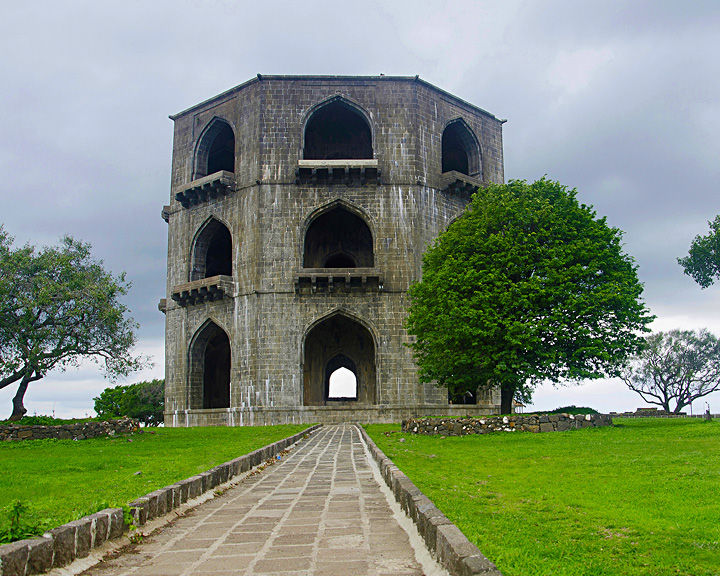
Discover Hidden Gems: Unforgettable Travel Adventures Off the Beaten Path

Introduction & Background
Travel has always been a gateway to discovery, but the most memorable adventures often lie beyond the crowded tourist trails. While iconic destinations like Paris, Rome, or Bali offer undeniable charm, they also come with long lines, inflated prices, and a sense of detachment from local life. The real magic of exploration happens in the quiet corners, the overlooked towns, and the hidden trails that few travelers ever encounter. These “hidden gems” are not just places on a map. They are experiences that linger in memory, stories to share with friends, and moments that redefine what it means to truly travel. In a world where social media often dictates travel trends, seeking the road less traveled offers a refreshing escape. It allows visitors to connect with cultures in their purest form, support small communities, and create journeys that feel personal and authentic. Whether you’re a seasoned traveler or someone dreaming of their first trip, uncovering these lesser-known destinations can transform a vacation into a life-changing adventure.
Concept & Overview
Discovering hidden gems in travel means stepping away from popular hotspots and venturing into places that remain under the radar. These are not necessarily places without charm or beauty, but rather places that have not been commercialized to the point of losing their essence. The concept is rooted in the idea of slow travel, mindful exploration, and a willingness to go beyond guidebook recommendations. It involves talking to locals, following winding backroads, and being open to unexpected detours. Unlike mass tourism, which often prioritizes convenience and speed, traveling off the beaten path emphasizes depth, connection, and discovery. It may mean spending a night in a family-run guesthouse instead of a chain hotel, or choosing a local eatery over a restaurant geared toward visitors. The goal is not to avoid all tourist sites entirely, but to balance them with experiences that feel genuine and immersive. This approach fosters a deeper understanding of the world and a greater appreciation for the diversity of human life across different landscapes and traditions.
Key Features & Highlights
- Authentic Cultural Immersion: Hidden destinations offer direct interaction with local customs, festivals, and daily life. Travelers can participate in traditional ceremonies, learn local crafts, or simply share a meal in a home instead of a restaurant.
- Stunning Natural Landscapes: Untouched beaches, secluded mountain trails, and pristine forests often go unnoticed by crowds. These places provide peace, solitude, and breathtaking views free from commercialization.
- Unique Historical Sites: Ancient ruins, forgotten castles, and preserved villages tell stories that guidebooks often overlook. These sites are not just relics, but living parts of the community’s identity.
- Sustainable Tourism Opportunities: Small-scale tourism tends to benefit local economies more than large resorts do. By choosing lesser-known destinations, travelers help preserve local livelihoods and reduce environmental impact.
- Personal Growth Through Challenge: Navigating unfamiliar terrain, communicating across language barriers, and adapting to new surroundings build resilience and confidence in travelers.
Frequently Asked Questions / Pros & Cons
What exactly defines a “hidden gem” in travel?
A hidden gem is typically a destination that attracts fewer tourists, lacks widespread recognition, or is not heavily promoted in mainstream travel media. These places are often valued for their natural beauty, cultural richness, or historical significance, but remain accessible only to those willing to venture beyond popular routes.
Are hidden gems safe for travelers?
Safety depends largely on location and common sense, just as it does in any travel destination. While some remote areas may have limited infrastructure, many hidden gems are safer than crowded tourist spots due to lower crime rates and tighter-knit communities. Researching local customs, reading recent traveler reviews, and consulting reliable sources can help assess safety before visiting.
How can I find authentic hidden gems without relying on major travel apps?
Start by talking to locals in the countries you visit, following blogs written by independent travelers, or exploring small-town forums and social media groups. Books by niche travel writers, local tourism websites, and recommendations from hostel staff or guesthouse owners are also valuable resources. Sometimes, simply walking through a neighborhood with no set itinerary leads to the best discoveries.
What are the main drawbacks of traveling to hidden gems?
Limited infrastructure is a common challenge. Remote areas may have fewer hotels, restaurants, or transportation options, which can make planning more difficult. Language barriers can also pose challenges in communication. Additionally, some hidden gems lack tourist services like guided tours or visitor centers, requiring travelers to be more self-reliant and patient. The trade-off, however, is often a more rewarding and intimate experience.
Can hidden gems be found in popular countries, or only in remote regions?
Hidden gems exist in every country, even in places considered tourist hotspots. For example, within Italy, the hilltop town of Matera offers a quieter alternative to Rome or Venice, yet it is still easily accessible. Similarly, in Japan, the historic district of Kanazawa provides rich cultural experiences without the crowds of Kyoto. The key is to explore beyond the first page of search results and ask, “What lies just beyond the obvious?”
Practical Guidance & Solutions
To successfully uncover hidden gems, begin by redefining your travel priorities. Instead of focusing solely on landmarks, prioritize experiences that bring you closer to the local way of life. Spend an extra day in one place rather than rushing through several. Use slower modes of transport like trains, buses, or even bicycles to absorb the scenery and interact with locals along the way.
Before your trip, create a flexible itinerary that includes both well-known sites and a few lesser-known alternatives. For instance, if visiting Iceland, consider spending time in the Westfjords instead of only the Golden Circle. If in Peru, explore the lesser-known Sacred Valley villages instead of just Machu Picchu.
Engage with locals by learning a few phrases in the local language, asking for recommendations, or simply showing interest in their daily routines. This openness often leads to invitations to local events or family gatherings that are not listed in any guidebook.
When traveling off the beaten path, practical preparation is essential. Pack light but include essentials like a reusable water bottle, a basic first-aid kit, and a power bank. Download offline maps and carry a physical copy of important phrases or addresses. Staying connected with a local SIM card can also help navigate unexpected detours.
Finally, approach each destination with curiosity and respect. Hidden gems are not just places to check off a list. They are opportunities to learn, to connect, and to see the world through fresh eyes. By traveling thoughtfully, you not only enrich your own journey but also contribute to the preservation of these special places for future generations.
Conclusion
Traveling to hidden gems is more than an alternative to mainstream tourism. It is a deliberate choice to seek depth over convenience, connection over crowds, and authenticity over postcard-perfect scenes. These places remind us that the world is far larger and more diverse than what we see on Instagram or in glossy travel magazines. From the misty highlands of Bhutan to the quiet canals of Giethoorn in the Netherlands, hidden gems offer a kind of magic that popular destinations often cannot match. They invite us to slow down, to listen, and to be present in a way that rushed itineraries rarely allow. In a time when travel has become increasingly commodified, choosing the road less traveled is an act of defiance and wonder. So the next time you plan a trip, consider skipping the usual stops and letting curiosity guide you. You may return not just with photographs, but with stories that stay with you forever. After all, the best adventures are not always found in guidebooks. They are discovered along the way, in the spaces between the known and the unknown.